Get Healthy!
- Posted December 4, 2025
CDC Panel May Change Longtime Rule on Hepatitis B Shots for Newborns
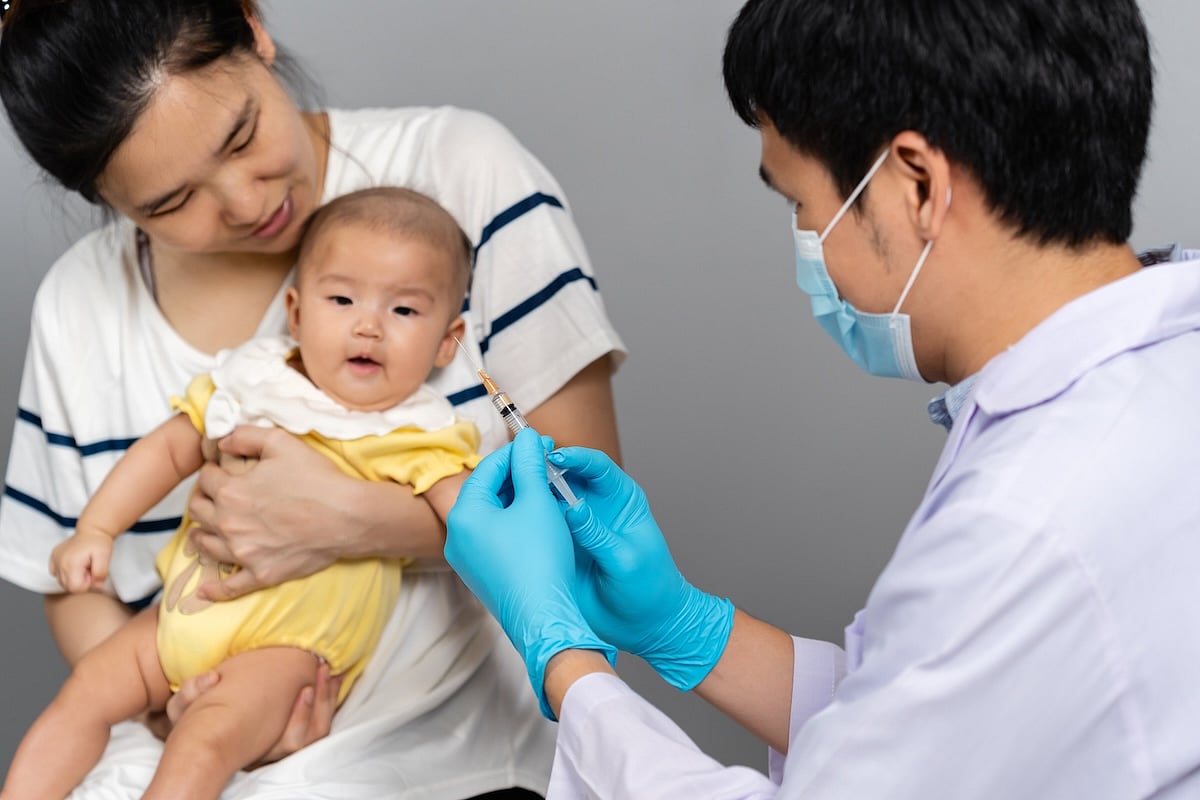
A CDC advisory group is meeting today and preparing to vote on whether newborns should still get a hepatitis B vaccine within the first 24 hours of life, a significant change from guidance that has been in place since the early 1990s.
For decades, doctors have been advised to give every baby a hepatitis B shot the day they're born, which has helped cut severe hepatitis B infections in children by 99%.
The virus can spread from mother to baby during birth and can lead to lifelong liver disease. There is no cure.
But some committee members now question whether every newborn needs the vaccine immediately, even though extensive research has found the shot to be safe.
Dr. Kirk Milhoan, a pediatric cardiologist from DeTar Healthcare System in Texas and the new chair of the CDC’s Advisory Committee on Immunization Practices (ACIP), told NBC News newborn shots can cause “neonatal fever,” leading to more testing.
He was appointed earlier this year after Health Secretary Robert F. Kennedy Jr. removed the previous committee.
Other pediatric experts disagree.
Dr. Sean O’Leary, speaking for the American Academy of Pediatrics (AAP), said he has "never once saw a fever actually associated with hepatitis B vaccine," after caring for "thousands of babies."
A large review of more than 400 studies, released Tuesday by a science-based vaccine safety group, the Vaccine Integrity Project, also found no evidence that the birth dose causes health problems.
Instead, the group estimated that newborn vaccination has prevented over 6 million infections and nearly 1 million hospitalizations. The analysis was not peer reviewed.
The ACIP vote is expected later today or tomorrow. Even if the panel recommends delaying the shot, doctors could still offer it, but insurance coverage often follows CDC recommendations.
It’s unclear whether the group will support keeping the birth dose, delaying it by a month or two, or tossing the recommendation altogether. A September vote was postponed after confusion among committee members.
Hepatitis B spreads through bodily fluids, including during childbirth, sex and sharing needles or household items such as razors or toothbrushes.
Without vaccination, 90% of babies exposed during birth develop chronic hepatitis, according to the AAP.
One challenge in identifying babies most at risk: Not all pregnant women receive prenatal care or feel comfortable consulting with their doctor. In fact, a 2019 report found only 84% to 88% of pregnant women were tested for hepatitis B.
Milhoan suggested that parents simply need to be honest with their doctors about activities that could increase their risk for hepatitis B, saying, "I hope they love their baby more than they love their pride."
Milhoan has previously raised doubts about multiple vaccines, including COVID-19 shots, and has spoken at events questioning vaccine safety.
He has highlighted the rare risk of myocarditis in young men after COVID vaccination, even though studies show the heart condition is more common after COVID infection.
This week’s ACIP meeting will also review the use of aluminum adjuvants, ingredients that strengthen the immune response. A recent study of over 1 million people found no link between aluminum-based vaccines and chronic illnesses or autism.
The meeting comes during a period of intense turmoil at the CDC. On Nov. 19, the agency quietly rewrote a webpage that once clearly stated vaccines do not cause autism, shifting the language to suggest officials may have “ignored” potential links, despite scientific evidence showing otherwise.
More information
The Mayo Clinic has more on hepatitis B.
SOURCE: NBC News, Dec. 3, 2025
